By; Kamaluddeen Nuhu Ilelah
Alarmed by rising cases of violence against children, stakeholders from Adamawa, Bauchi, and Gombe states have issued an urgent call for coordinated action to protect child rights
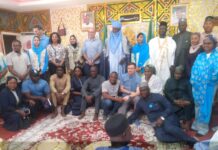
This is coming as they gather for a roundtable advocacy session held at Emerald Royal Hotel in Gombe on April 21, 2026.
The meeting, organized by UNICEF, brought together government officials, traditional rulers, security agencies, civil society, and the media to confront what participants described as a growing crisis, with nearly 300 abuse cases officially recorded across the three states in less than five months.
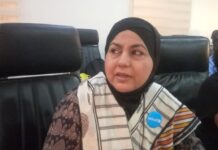
Presenting a highlight on child right, Chief of Field Office for UNICEF Bauchi, Dr. Nuzhat Rafeeq, told the gathering that a child’s rights begin at birth with proper birth registration, survival, and access to healthcare.
Rafeeq noted that Nigeria records the highest child mortality rate in Africa, with many mothers and newborns dying during childbirth, and described infant deaths from preventable causes as a grave violation of child rights.
The Chief of Field Office identified immunization and nutrition as fundamental rights, stating that exclusive breastfeeding for first six months provides immunity and reduces risk of malnutrition.
Despite Nigeria’s abundance of food, Rafeeq blamed low education levels for continued abuses, citing communities in Katagum and Dukku where some fathers are unaware of the number of children they have.
She called on journalists to disseminate accurate information to ensure every child receives basic rights and described children as the most precious gift from Allah.
Participants at the event identified several challenges, including weak implementation of laws, low awareness of the Violence Against Persons Prohibition (VAPP) Act, intimidation of survivors, underfunding, inadequate manpower, poor coordination between agencies, poverty, low literacy, and harmful social norms.
Presenting data from Child Protection Information Management System covering late 2024 to April 20, 2026, UNICEF Child Protection Specialist, Barrister Ladi Alabi, revealed a total of two hundred and ninety-three reported sexual abuse cases, with Gombe recording the highest number of one hundred and ninety-one cases, representing sixty five percent of the total, followed by Adamawa with seventy-seven cases, and Bauchi with twenty-five cases, representing nine percent.
Alabi cautioned that Bauchi’s lower figure likely reflects significant underreporting rather than fewer incidents, noting that six out of ten children experience violence, often repeatedly, with girls aged thirteen to fifteen being particularly vulnerable.
She added that sexual violence exposes victims to sexually transmitted infections, mental health challenges, and unintended pregnancies, while many children fail to report abuse due to fear, stigma, or lack of awareness, Alabi outlined priorities going forward, including personal commitment to change, increased public financing for child protection, stronger teamwork, proper documentation of cases, accountability for perpetrators, timely reporting of incidents, and enforcement of existing laws.
In Gombe State alone, Bilkisu Muhammad Aliyu from the One Stop Centre reported one hundred and forty-four cases of sexual and gender-based violence, with zero prosecutions to date, while only forty cases received legal aid, and one hundred and one referred for other services.
Bilkisu noted a worrying shift in trends, with more cases now involving adolescents rather than elderly perpetrators, and expressed concern over homosexual abuse involving financially vulnerable almajiri children, adding that many incidents occur within separated families.
Speaking on these barriers, resource person Dr. Abdullahi Yelwa called for full implementation of child protection laws, increased funding, and stronger institutional collaboration.
On their own part, security representatives at the engagement assured participants of their commitment to justice, emphasizing that all reported cases must be thoroughly investigated and taken to court with proper evidence.
Giving his remark, District Head of Akko, Idris Manga, described the programme as timely for improving understanding of child rights and child assault, pledging to support awareness efforts at grassroots level to drive positive change.
While on their own part, Civil society representatives highlighted the importance of educating families, promoting safe environments, and encouraging children to speak up without fear.
In their final resolution, participants agreed that protecting children requires coordinated efforts from government, traditional leaders, communities, and the media to raise awareness and ensure accountability.
They further resolved to take personal commitment to change, support increased public financing for child protection across the three states, and take concrete steps toward ending violence against children, ensuring their rights to survival, development, healthcare, education, and justice are fully protected.