By Uzairu Dauda:
Stakeholders in Bauchi State have been called upon to step up efforts in combating preventable diseases that contribute to high child mortality rates. The appeal was made by Mrs. Ijeoma Mmirikwe,
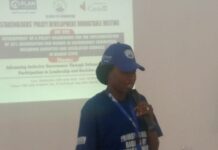
Programme Manager at the Solina Centre for International Development, during a stakeholders’ engagement and inception meeting for the Safety and Antimicrobial Resistance of Mass Administration of Azithromycin among Children aged 1 to 59 months (SARMAAN II) project.

Mrs. Mmirikwe emphasized that Bauchi was chosen as a priority state due to its high under-five mortality rate. She noted that Nigeria accounts for 29% of under-five deaths in sub-Saharan Africa, with Bauchi being among the most affected states. She urged stakeholders to collaborate effectively with implementing partners to ensure the successful distribution of Azithromycin Oral Suspension, a key intervention to save children’s lives.
Speaking on behalf of the Executive Director of MITOSATH, Mrs. Ijeoma Achu George, the Programme Manager of MITOSATH explained that SARMAAN II is a scale-up of the previous SARMAAN I project, which had been implemented in select locations. The expanded program now covers 11 states, including Bauchi, with a core objective of reducing child mortality through mass administration of Azithromycin across the state’s 20 local government areas.

She highlighted that 60% of child deaths in Nigeria are caused by microbial infections, making Azithromycin a critical solution in the fight against these deadly diseases. The distribution of the drug is expected to continue for four years, ensuring that every child aged 1 to 59 months in Bauchi receives the treatment.
Alhaji Nasiru Haruna Zwall, Bauchi State Coordinator for Neglected Tropical Diseases at the Primary Health Care Board, reaffirmed the government’s commitment to ensuring the program’s success. He stressed that relevant stakeholders have been identified to play key roles in the exercise, ensuring transparency and effective implementation.

He outlined the expected outcomes of the engagement meeting, including; Comprehensive understanding of the SARMAAN II project, its objectives, and expected impact, Assessmentof the current implementation status to enhance integration with SARMAAN II, Strengtheningstate-level commitment and ownership through symbolic program support.
In his presentation, Mr. Ononogbo Ikemsinachi Teddy, Deputy Programme Manager at MITOSATH, underscored the vital role of community and religious leaders in mobilizing communities, increasing program acceptance, and ensuring cultural and religious sensitivity. He emphasized the need for strong advocacy to drive participation and enhance the project’s effectiveness.

Mr. Teddy further detailed the roles of key government agencies and stakeholders, including the Ministry of Health, Bauchi State Primary Health Care Board, the Bauchi State Emirate Council on Community Health, the Ministry of Local Government Affairs, and the Ministry of Women Affairs. He also highlighted the importance of gender balance in the program’s implementation, with a 90% female and 10% male composition for Community-Directed Distributors (CDDs).
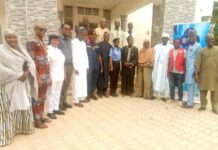
All stakeholders present at the meeting expressed their readiness to work collectively for the success of the Mass Administration of Azithromycin (MDA-AZT) initiative in Bauchi State, pledging their commitment to reducing child mortality and ensuring a healthier future for children in the region.