By Uzairu Dauda:
Menstrual hygiene has been described as not solely a women’s issue but a collective responsibility that requires the involvement of all stakeholders.
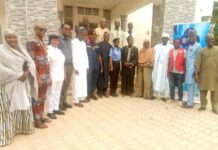
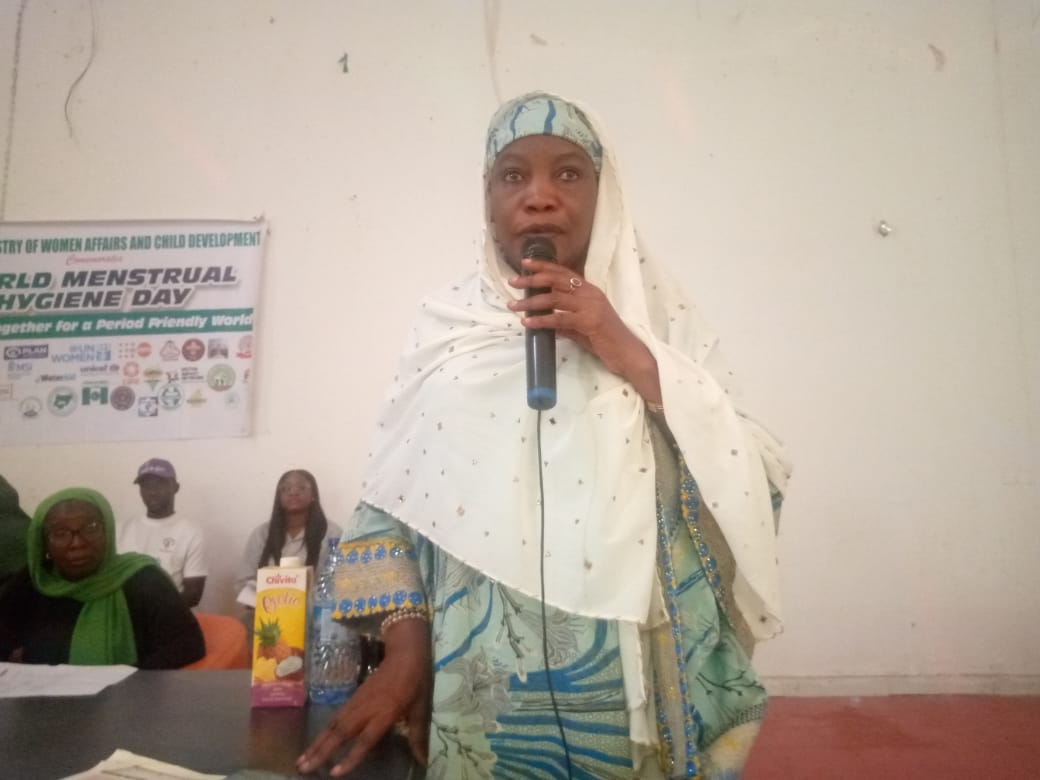
The Bauchi State Commissioner for Women Affairs and Child Development, Dr. Lydia Haruna Tsammani made the call during the celebration of World Menstrual Hygiene Day held at Double Four Hotel in Bauchi.
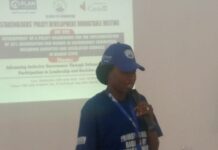
Represented by the Governor’s Adviser on Women Affairs and the Nigeria for Women Project, Hajiya Halima Ibrahim Dimis, the commissioner said the 2026 theme, “Together for a Period-Friendly World,” highlights the need for collective action to promote menstrual health and dignity for girls and women.
She urged adolescent girls to manage menstruation with confidence and dignity, describing menstrual hygiene as an essential part of healthy living.
According to her, girls cannot fully benefit from quality education without access to proper menstrual hygiene management.
Dr. Tsammani reaffirmed the Bauchi State Government’s commitment to supporting girls through the provision of sanitary pads in schools, mentorship programmes, and sustained awareness campaigns on menstrual health education.
She also encouraged young girls to speak openly with their parents and guardians when they begin menstruation, stressing that feelings of shame and stigma can negatively affect their education and future prospects.
The commissioner further challenged schoolgirls to become champions, ambassadors, and advocates for menstrual hygiene awareness in their communities.
In her goodwill message, the representative of the Bauchi State Ministry of Justice, Barrister Maimuna Ibrahim Yusuf, described menstruation as a natural part of life and emphasized every girl’s right to quality education free from stigma and discrimination.
She called on authorities to ensure the availability of sanitary pads in schools, healthcare facilities, and other public institutions to support girls during their menstrual periods.
Also speaking, the representative of Plan International in Bauchi State, Hauwa Hussaini, reiterated the organisation’s commitment to ensuring that every girl can menstruate safely and freely without discrimination.
She identified inadequate financial support and lack of education as some of the major challenges facing adolescent girls and urged stakeholders to eliminate harmful cultural taboos that hinder girls during menstruation.
The representative of WaterAid, Miss Joy Owoicho, commended the Ministry of Women Affairs and Child Development for organizing the event and raising awareness on the importance of menstrual hygiene in promoting the wellbeing and development of adolescent girls.
She reaffirmed WaterAid’s commitment to providing clean water and sanitation facilities in underserved communities, schools, healthcare centres, and public places to enhance personal hygiene and menstrual health management.
Similarly, the representative of the Bauchi State Ministry of Education, Mrs. Mary Ishaya said, the ministry places high priority on menstrual hygiene management because of its role in safeguarding the welfare and educational progress of adolescent girls.
She pledged the ministry’s continued collaboration with the Ministry of Women Affairs in promoting and protecting the rights of girls in schools.
On his part, the Chairman of the Network of Civil Society Organizations (CSOs), Mr. Jinjiri John Garba, challenged governments to ensure greater inclusion of women in decision-making processes at community and state levels.
He also urged civil society organisations to intensify advocacy efforts on women’s rights and adolescent health to foster inclusive development and build healthier societies.